

When people think about generator failures in Puerto Rico and throughout the U.S. Caribbean, hurricanes usually receive most of the attention. While severe weather certainly presents significant challenges, prolonged periods of extreme heat can be just as demanding on emergency power equipment. High temperatures place additional stress on diesel generators, fuel systems, batteries, cooling components, and electrical infrastructure, increasing the likelihood of equipment failures when reliable backup power is needed most.
For organizations responsible for telecommunications networks, healthcare facilities, municipalities, commercial properties, industrial operations, and other critical infrastructure, dependable emergency power is not just a convenience. It is an essential part of business continuity.
Routine maintenance during the hottest months of the year helps ensure emergency power systems remain ready before tropical storms, hurricanes, or unexpected utility outages occur.
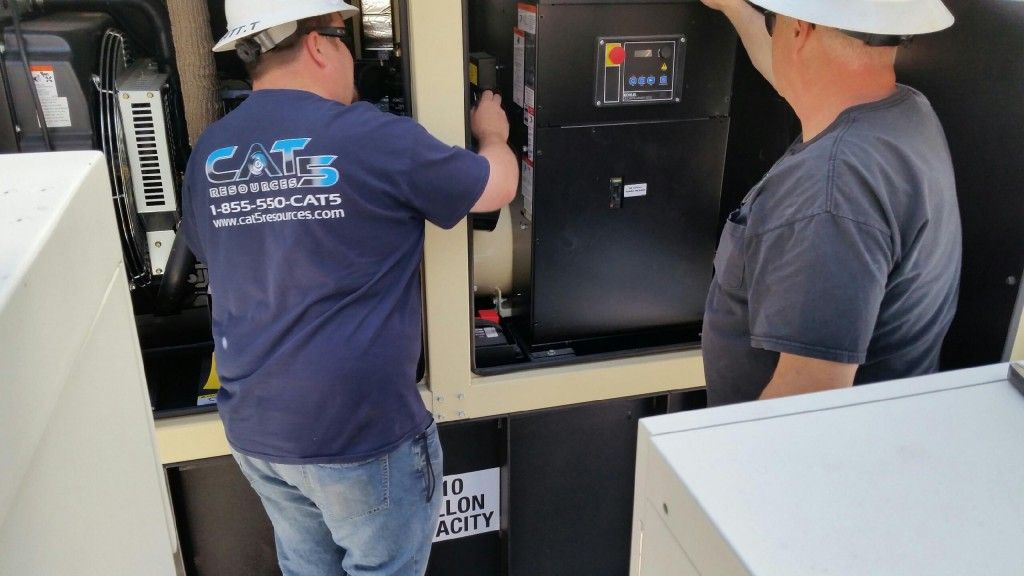
Summer Heat Places Additional Stress on Generator Systems
Diesel generators are engineered to perform in demanding environments, but operating in tropical climates introduces additional challenges that should never be overlooked.
As outside temperatures rise, cooling systems work harder to maintain safe operating temperatures. Extended operation during high heat can increase wear on engines, cooling components, hoses, belts, electrical connections, and other critical systems.
Facilities that rely on backup generators throughout Puerto Rico and the U.S. Virgin Islands should consider seasonal maintenance an important part of their operational planning, especially during the peak summer months when both electrical demand and ambient temperatures are at their highest.
Cooling System Performance Is Critical
One of the most common causes of generator performance issues is inadequate cooling.
Radiators, coolant levels, cooling fans, and airflow all play an important role in maintaining proper operating temperatures. Dust, debris, salt exposure, vegetation, or clogged cooling fins can reduce efficiency and lead to overheating during extended operation.
Routine inspections help identify these issues before they develop into equipment failures during an emergency.
Preventive maintenance also helps technicians identify worn belts, aging hoses, coolant leaks, and other potential problems that may not be obvious during normal operation.
Fuel Quality Matters Year Round
Backup generators are only as dependable as the fuel they rely on.
Diesel fuel stored for extended periods in warm, humid climates may experience degradation if proper fuel management practices are not followed. Moisture contamination, microbial growth, and sediment buildup can all affect fuel quality and engine performance.
Organizations maintaining emergency fuel reserves should routinely inspect storage systems, monitor fuel quality, and verify that fuel supplies remain ready for deployment during extended outages.
Reliable fuel logistics are just as important as maintaining the generator itself.
Batteries Often Fail Before the Generator Does
Many people associate battery problems with cold weather, but high temperatures can shorten battery life as well.
Heat accelerates chemical reactions inside batteries, increasing deterioration over time. Since the starting battery is responsible for bringing the generator online during a utility outage, a weak battery can prevent an otherwise healthy generator from operating when it is needed.
Routine battery inspections and load testing remain one of the simplest and most cost-effective ways to improve emergency power reliability.
Preventive Maintenance Reduces Unexpected Downtime
Waiting until hurricane season is underway to inspect emergency equipment can create unnecessary risks.
Preventive maintenance provides an opportunity to identify small issues before they become major repairs while allowing organizations to schedule maintenance during normal operations instead of responding during an emergency.
A comprehensive generator maintenance program should include:
- Visual equipment inspections
- Cooling system evaluation
- Battery testing
- Fuel system inspection
- Oil and filter replacement as recommended
- Electrical connection inspections
- Load testing
- Automatic transfer switch verification
Completing these services before severe weather develops helps improve reliability and reduces the likelihood of unexpected failures.
Emergency Power Requires More Than Equipment
Successful emergency preparedness involves much more than simply owning a generator.
Organizations should also evaluate:
- Fuel availability
- Fuel delivery planning
- Transportation logistics
- Temporary power options
- Equipment deployment procedures
- Maintenance schedules
- Emergency response planning
Developing a comprehensive continuity strategy helps facilities maintain operations during both prolonged heat events and hurricane-related power outages.
Preparing Before Hurricane Season Makes All the Difference
Every year, organizations throughout Puerto Rico and the U.S. Caribbean prepare for the possibility of tropical storms and hurricanes. Facilities that perform maintenance before severe weather develops are often better positioned to respond when conditions change quickly.
Routine inspections, preventive maintenance, dependable fuel logistics, and emergency deployment planning help reduce downtime while protecting critical operations during the busiest months of the hurricane season.
Rather than waiting until equipment is needed, proactive maintenance helps ensure emergency power systems are prepared to perform when they matter most.

Partner with Cat5 Caribbean
Reliable emergency power requires planning, preparation, and dependable support.
Cat5 Caribbean provides emergency power solutions, diesel generator maintenance, fuel logistics, temporary power support, portable infrastructure, and rapid deployment services throughout Puerto Rico, the U.S. Virgin Islands, and surrounding markets. Whether you’re preparing for hurricane season, maintaining critical infrastructure, or developing a comprehensive emergency response plan, our experienced team is ready to help.
Contact us today to learn how our emergency power, fuel logistics, and infrastructure support services can help keep your operations running when reliability matters most.